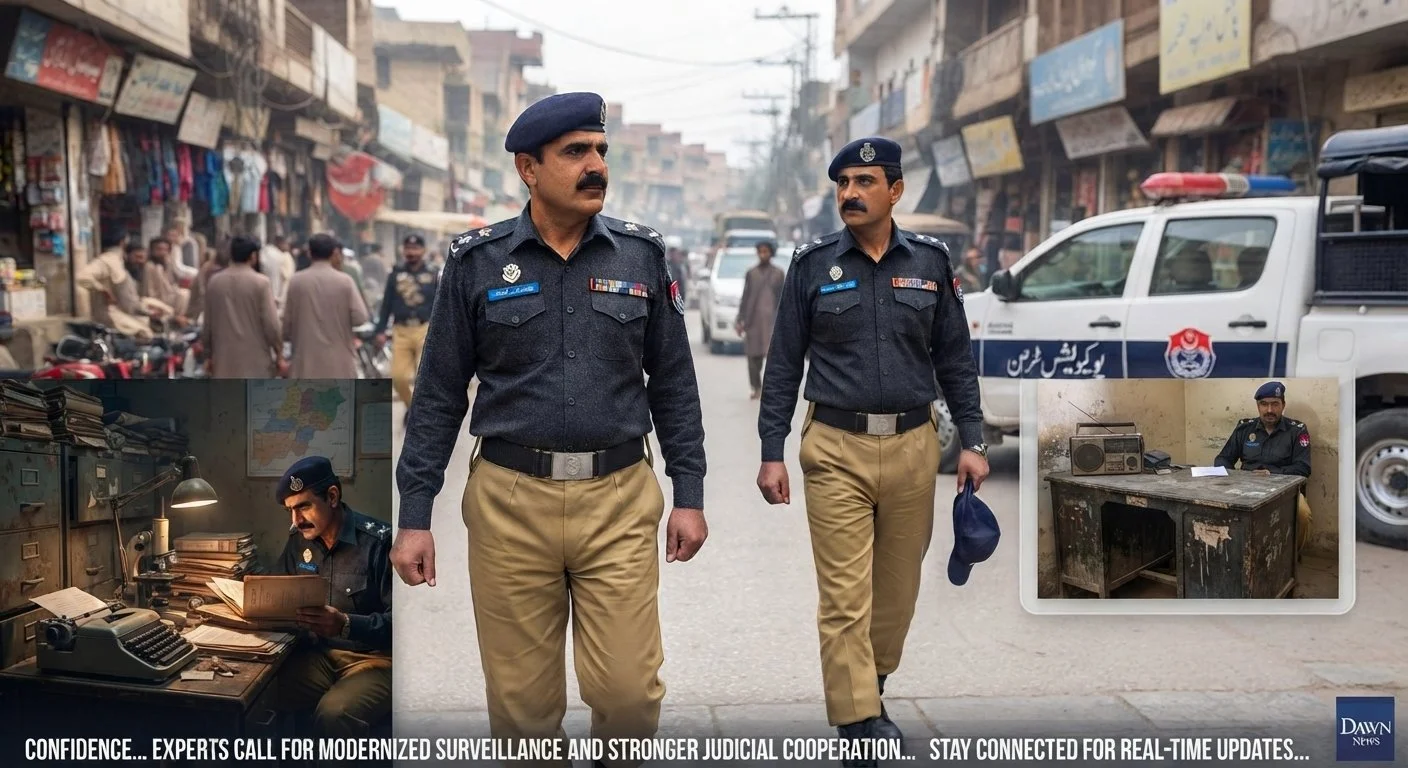
HARIPUR: The security landscape across the Hazara division, particularly in the district of Haripur, is undergoing a critical stress test. Law enforcement agencies, while striving to maintain peace, are increasingly hamstrung by a complex web of unprecedented legal hurdles and deeply entrenched administrative challenges. Recent internal security reviews and judicial audits have illuminated significant, systemic gaps within the existing investigative frameworks—gaps that are directly impeding the pace of justice delivery and eroding public confidence in the system.
The Investigation Crisis: Where the System Fails
The core of the current crisis lies not in the lack of bravery among the police force, but in the structural inability to build airtight cases. Sources within the District & Sessions Courts Haripur reveal a worrying trend: a high acquittal rate in criminal cases, primarily due to faulty investigations.
Key problem areas include:
- Forensic Delays: The reliance on outdated or centralized forensic labs creates bottlenecks. By the time DNA, ballistics, or digital evidence is analyzed, crucial leads have often gone cold.
- Lack of Specialization: Generalist police officers are frequently tasked with investigating complex cybercrimes, financial fraud, or organized crime, lacking the specific expertise required to secure convictions.
- Procedural Lapses: Minor procedural errors during evidence collection or suspect apprehension are routinely exploited by defense attorneys, leading to cases being thrown out on technicalities rather than merit.
Administrative and Resource Bottlenecks
Administratively, the Hazara Police are operating under severe strain. Haripur, as an industrial hub and a gateway to the northern areas, faces unique demographic pressures that are not met with proportional resources.
- Manpower Shortage: The police-to-population ratio in the division is critically low, leading to overwork and burnout, which compromises the quality of policing.
- Logistical Constraints: Inadequate transport, outdated surveillance equipment, and a lack of modern data-sharing platforms mean that police are often reactive rather than proactive.
The Expert Verdict: A Call for Modernization
Legal experts and senior police officials in Hazara are unanimous in their call for urgent, comprehensive reform. Maintaining the status quo, they warn, will only lead to an escalation in security concerns.
The roadmap for recovery, as outlined by experts, requires three pillars:
- Modernized Surveillance and Data Integration: Investing in high-resolution, AI-enabled CCTV networks in Haripur city and key transit points is no longer a luxury but a necessity. Furthermore, creating a centralized, digitized database that links police stations with prosecutors and forensic labs would drastically reduce investigative time.
- Robust Community Policing: Rebuilding the trust bridge between the police and the public is vital. Implementing localized community policing initiatives would empower citizens to act as the “eyes and ears” of law enforcement, providing critical intelligence on local crime hotspots and narcotics networks.
- Enhanced Judicial Cooperation: The gap between the police investigation wing and the prosecution department must be bridged. Regular joint training sessions and synchronized Standard Operating Procedures (SOPs) between police investigators and prosecutors would ensure that cases are built with the final trial in mind, increasing the conviction rate.